
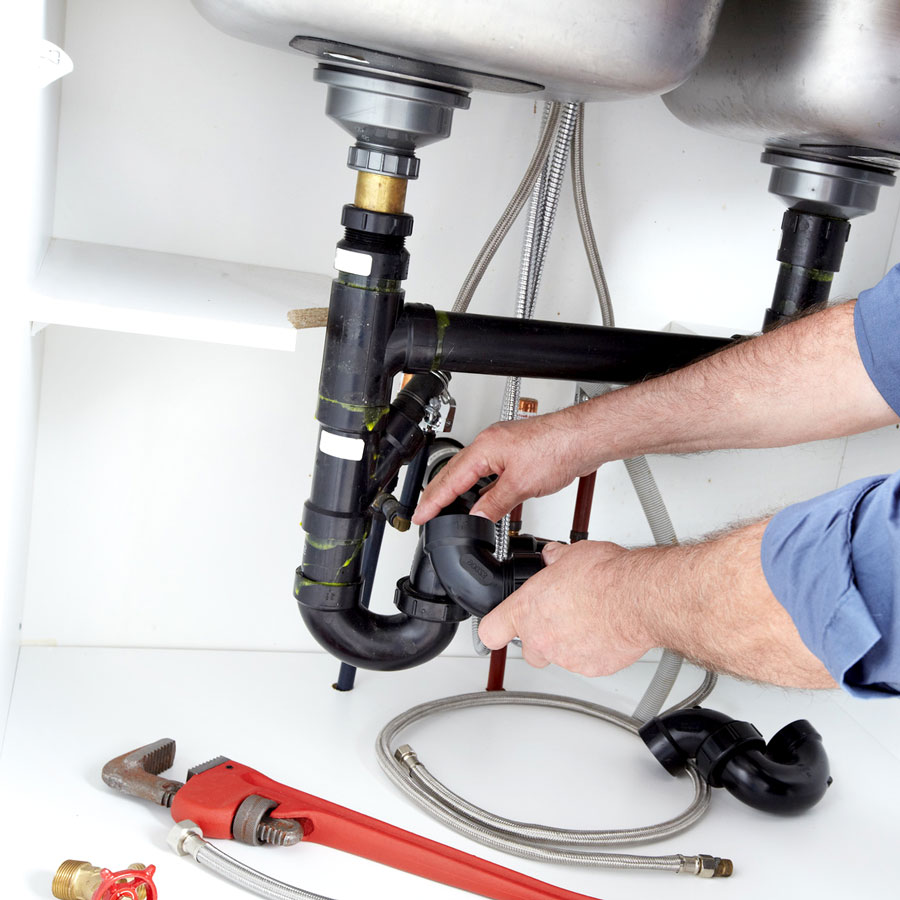
 Drain Cleaning service
Professional plumbing service
Drain Cleaning
Soap residue, hair, grease and debris collect differently in bathroom and kitchen drainage, so the likely material informs the cleaning method. The service begins by confirming the visible symptom and surrounding installation so the proposed work matches the actual condition.
- Affected outlets and symptoms checked
- Likely drain route assessed
- Clearing method matched to access
- Flow tested after clearing
Published service pricing
Drain Cleaning Rates
The rate panel separates listed work from site conditions that may require a revised quotation.
Service rate card
Drain Cleaning
Listed work
- Clearing toilet bowl chokeFrom $80
- Clearing bathroom/kitchen floor trap chokeFrom $80
Access point, blockage location, drain route and the clearing method can affect the final scope. Avoid mixing drain chemicals before hands-on work. Any revised scope should be explained before additional work proceeds.
Compare all published plumbing rates →Locate
Identify the affected outlets, drainage behaviour and the likely restriction route.
Assess
Check accessible components and separate the likely cause from the visible symptom.
Confirm scope
Explain the proposed work, listed price and any condition that may change it.
Complete and test
Carry out the agreed work and test the affected fixture, pipe or drain before handover.
Planning Drain Cleaning Work
Reliable drain cleaning work begins by confirming the symptom and the surrounding installation before parts are selected or surfaces are disturbed. Soap residue, hair, grease and debris collect differently in bathroom and kitchen drainage, so the likely material informs the cleaning method. Note when the issue occurs, what temporarily improves it and whether another fixture changes the behaviour; those details can shorten diagnosis and make the proposed scope easier to understand.
What to establish during the assessment
- Which outlets are slow or backing up
- When the problem started and what was in use
- Whether water eventually falls or remains standing
Cleaning should focus on the affected trap and pipe section while preserving sound seals and avoiding unnecessary chemical exposure. The technician should explain the likely cause, the parts or access expected, the checks included after completion and any limitation that cannot be resolved during the first visit. If conditions differ once a fitting is removed or an access point is opened, the revised scope should be agreed before additional work proceeds.
Drainage work is most effective when the affected route is understood before equipment is chosen. Note which fixture was used when the problem appeared, whether other outlets gurgle, and whether the water level eventually falls. Avoid repeatedly adding strong chemicals, because mixed products can create a safety hazard and may complicate hands-on clearing. The quotation should identify the access point and initial clearing method, while explaining how additional work would be handled if the obstruction lies farther downstream. Where several homes or common areas are affected, building management may need to help determine responsibility for the shared line.
Testing and sensible follow-up
The route should be flushed at working volume and the customer should know which habits or maintenance steps can reduce repeat build-up. Keep the repaired area accessible until these checks are complete, and take note of any change in flow, sound, odour or moisture over the following uses. If the original symptom returns, report when it happens and avoid concealing the area prematurely; that information helps distinguish a remaining fault from moisture or debris left by the earlier problem.
Singapore’s requirements depend on the actual scope. PUB’s plumbing-work guidance distinguishes simple plumbing tasks from regulated water-service and sanitary work and explains when a Licensed Plumber is required. HDB owners planning replacement, relocation or renovation-related work should also check the current HDB water and sanitary plumbing guidelines. The site assessment should determine which requirements apply before work begins.
Related options worth comparing are Clogged Drain Repair, Drain Choke Repair and Clogged Sink Repair. Reviewing the neighbouring service pages can help separate a local component fault from a wider pipe or drainage issue.